 Siddharth Saoji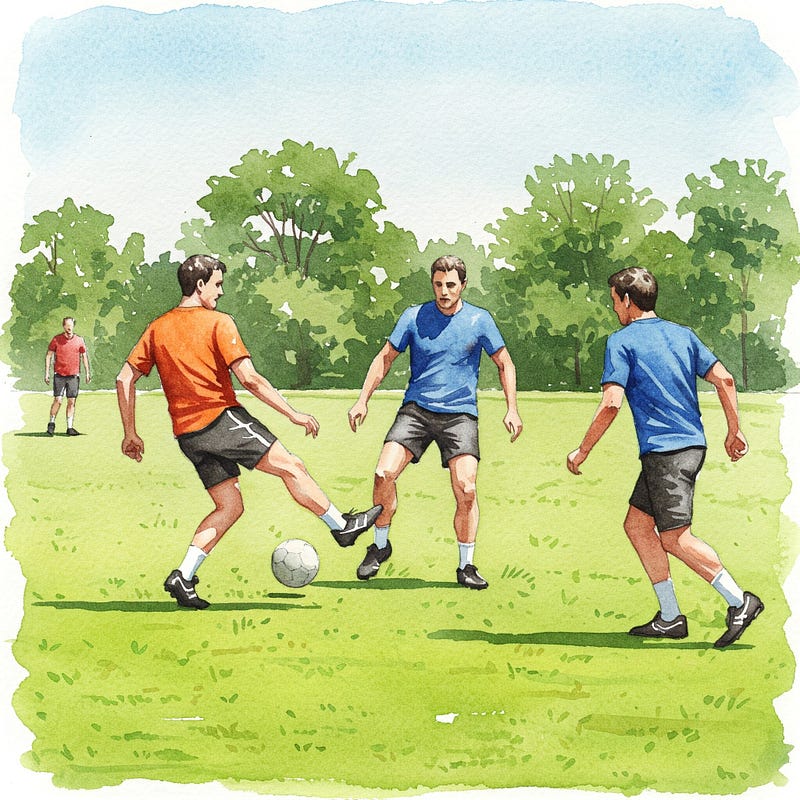
As someone who has participated in sports throughout my life, I’ve come to recognize their profound impact well beyond the playing field. While many of us associate sports with childhood development or the vigour of our twenties, I’m here to make the case that continuing (or even starting) to play sports in your 30s and 40s might be one of the most important decisions you can make for your overall wellbeing.
More Than Just Physical Fitness
When conversations about exercise arise in our 30s and 40s, they often revolve around gym routines, running regimens, or the latest fitness trends. These activities certainly have their merits, but they miss something fundamental that organized sports provide.
Playing tennis, squash, cricket, or any team sport delivers fitness benefits while simultaneously engaging multiple dimensions of our wellbeing. The sudden sprints, lateral movements, hand-eye coordination, and varied intensity levels create a comprehensive physical experience that few structured workouts can match.
Unlike the methodical nature of lifting weights or logging miles on a treadmill, sports fitness happens almost accidentally — you’re pushing your body while focused on the joy of play rather than the burden of exercise.
The Irreplaceable Social Element
Perhaps the most overlooked aspect of continuing sports participation into midlife is the social dimension. As we progress through our 30s and 40s, meaningful social connections often become more difficult to maintain. Between career demands and family responsibilities, our social circles frequently contract precisely when we need them most.
Sports create natural communities. That weekly tennis match, basketball game, or soccer league provides regular, meaningful contact with others who share at least one common interest. These connections differ fundamentally from workplace relationships — they’re built on shared enjoyment rather than professional necessity.
There’s something uniquely bonding about competing alongside others, celebrating victories, and working through defeats. The conversations before, during, and after games often evolve beyond sports into friendships that enrich our lives in unexpected ways.
The Mental Game: Where the Magic Happens
While the physical and social benefits are significant, I’ve come to believe that the mental aspects of sports participation might be the most valuable as we age. Sports engage our minds in ways few other activities can.
When playing a sport, you’re constantly strategizing, adapting, and responding to changing circumstances. You’re processing information rapidly, making split-second decisions, and expressing yourself through movement and strategy. This cognitive engagement keeps our minds sharp and provides a form of mental stimulation distinctly different from work-related thinking.
Sports also offer a canvas for creativity and self-expression. The way you approach a tennis point, move on a basketball court, or strategize in team sports reflects your personality and thinking. This creative outlet becomes increasingly precious as many of us find ourselves in more structured, less expressive professional roles.
Additionally, sports provide a rare opportunity to experience a state of flow — that magical mental state where you’re completely absorbed in the moment, neither bored nor overwhelmed, but perfectly engaged. These flow states have been linked to increased happiness and satisfaction, serving as a powerful antidote to the constant digital distraction and fragmented attention that characterizes modern life.
The Complete Package
As we navigate our 30s and 40s, we often seek balance and integration — ways to address multiple needs efficiently. Playing sports delivers a remarkable combination of benefits in a single package: physical fitness, social connection, mental stimulation, and pure enjoyment.
So pick up that racquet, join that league, or gather friends for a regular game. Your body, mind, and social circle will thank you — not just today, but for decades to come.