 Siddharth Saoji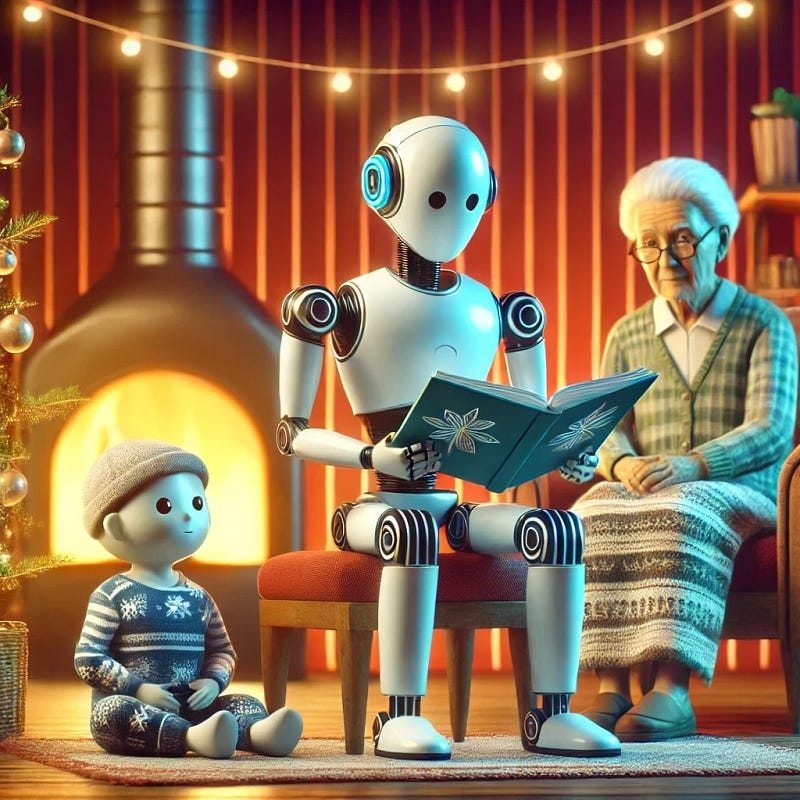
Recent advancements in AI and in consequence in Humanoid robots open a fascinating debate: can technology take on caregiving roles that are deeply tied to human connection? Children and the elderly, two of the most vulnerable groups in society, require not just attention but genuine presence—a sense of being valued and loved. While the idea of robots stepping into these roles offers hope, it also sparks serious concerns about what we might lose in the process.
Imagine a robot capable of endless conversation with a child, responding to questions, telling stories, and never running out of energy. For the elderly, such robots could provide companionship and alleviate loneliness in ways humans often struggle to sustain. At first glance, this seems like an ideal solution. But we must ask: what happens to the human connections that these interactions replace?
The Nature of True Connection
A true connection is more than just interaction, no matter how advanced or empathetic a machine may seem. Real bonds are forged through shared experiences, moments of vulnerability, and the imperfections of human relationships. If a child grows up developing a deeper emotional connection with a robot than with their own parents or siblings, what does this mean for their understanding of relationships?
Are we trading the complexity and richness of human interaction for the simplicity of robotic companionship? A child who turns to a robot for emotional support may later struggle to build deep, meaningful relationships with people. And as the cycle continues, will these children, when grown, also choose robots to care for their aging parents? This isn’t just about convenience—it touches on the very essence of what it means to be human.
What Gives Life Meaning?
Caregiving robots challenge us to reconsider the foundations of a meaningful life. Relationships are not just practical or transactional; they are spiritual, emotional, and transformative. They teach us patience, forgiveness, and the beauty of shared growth. Robots, no matter how advanced, can only imitate these qualities. They can simulate empathy, but they cannot feel it. They can offer help, but they cannot share in our struggles.
In our pursuit of efficiency and convenience, we must pause to reflect on the costs. If we hand over caregiving roles to machines, are we compromising the bonds that define our humanity? Relationships are where we find purpose, belonging, and identity. By outsourcing these roles to technology, we risk losing the depth and authenticity that make life meaningful.
Striking a Balance
Humanoid robots have a role to play, but it must be a supportive one. They can help with tasks, provide reminders, and even offer comfort in moments of solitude. Yet, they should remain tools—enhancing human efforts without replacing human presence.
Spending time with our loved ones, despite the demands of modern life, is one of the most profound investments we can make. It is through these relationships that we grow, learn, and find fulfillment. Robots can assist us, but they must never become substitutes for the bonds that connect us as human beings. The challenge is not just technological but deeply moral: how do we use these tools without losing the humanity that makes life truly rich?