 Siddharth Saoji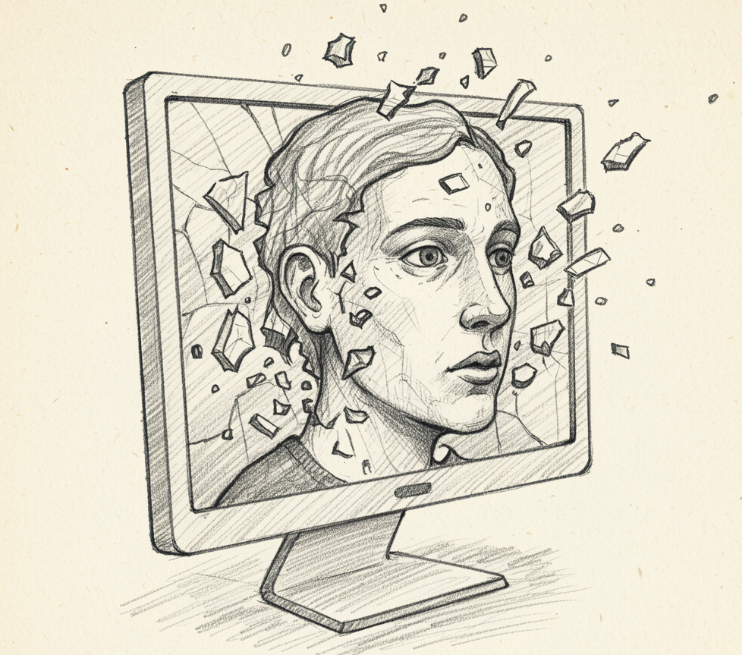
In our information-rich world, a concerning pattern emerges: We unconsciously reinforce our existing biases through selective content consumption, creating echo chambers that prevent genuine intellectual growth.
The Confirmation Bias Trap
Most of us consume content that aligns with our existing beliefs without realizing it. This subconscious pattern steers us toward comfortable information that validates our worldview. Each time we find this validation, we receive a small dopamine reward that reinforces the behavior, creating a self-fulfilling cycle of bias confirmation.
The Hidden Cost
This pattern significantly limits our intellectual development. By avoiding perspectives that challenge us, we develop an incomplete understanding of complex issues while believing ourselves well-informed. True understanding emerges not from accumulating supporting evidence, but from engaging with diverse viewpoints — especially those that make us uncomfortable.
Breaking Free: Conscious Content Choices
To counter this tendency:
- Seek intellectual discomfort: Regularly expose yourself to thoughtful perspectives contrary to your own.
- Listen before judging: Try to understand the reasoning behind opposing arguments rather than immediately dismissing them.
- Audit your content habits: Review your content sources for patterns and blind spots.
- Diversify intentionally: Include voices from different political, cultural, and experiential backgrounds.
The AI Amplifier
This issue becomes more critical as AI shapes our information landscape. Recommendation algorithms typically reinforce our existing preferences, creating technological amplification of our natural bias tendencies. Without conscious intervention, these systems narrow rather than expand our worldview.
Conclusion: Choose Growth Over Comfort
Unconscious bias reinforcement through selective content consumption is real and limiting. By diversifying our information diet, we can break free from self-imposed echo chambers.
True intellectual growth comes not from confirming what we already believe, but from honestly engaging with challenging perspectives. In a world increasingly divided by information bubbles, this effort isn’t just about personal development — it’s about maintaining our collective ability to understand and address complex challenges from multiple angles.